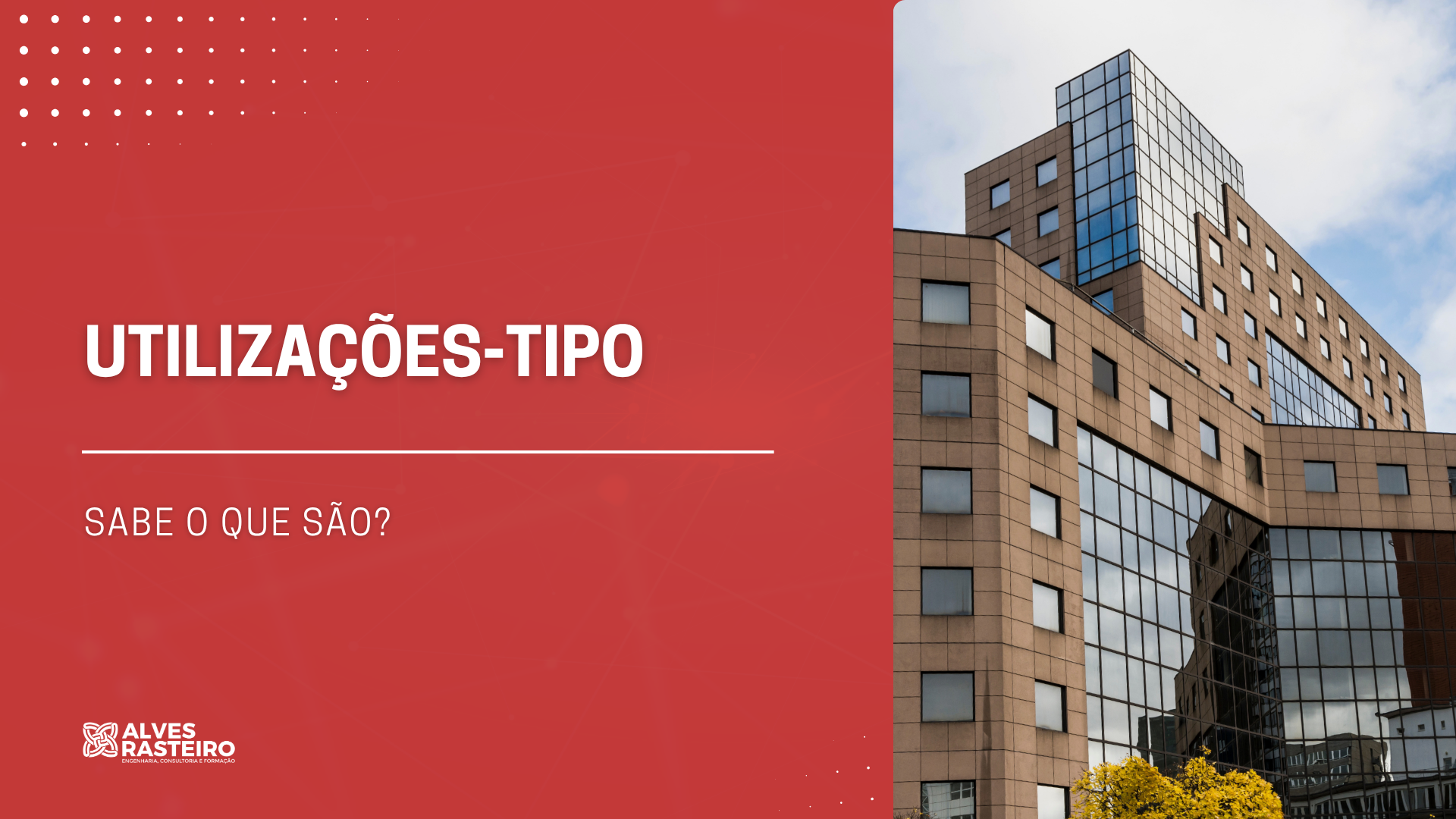
If you have ever tried to license a commercial space, open an office or manage a condominium, you have very likely come across the acronym UT. But what exactly is an Occupancy Type (Utilização-Tipo, UT)?
. Occupancy Type (UT) is, put simply, the legal classification given to a building (or part of it) according to the main activity carried out there.
In Portugal, Fire Safety in Buildings (SCIE) legislation divides buildings and venues into 12 Occupancy Types (from UT I to UT XII). This classification exists because each type of activity brings different risks: evacuating a primary school full of children is not organized in the same way as evacuating a warehouse where only three or four operators work.
What are the 12 Occupancy Types?
Portuguese law defines the following occupancy categories:
- UT I – Residential: Apartment buildings, houses or condominiums (including their common areas).
- UT II – Car Parks: Covered car parks, shared, underground or multi-story garages.
- UT III – Administrative: Offices, company headquarters, banks, public departments and service counters.
- UT IV – Schools: Schools at all levels of education, nurseries, kindergartens, after-school centers and training centers.
- UT V – Hospitals and Care Homes: Hospitals, inpatient clinics, care homes and day centers.
- UT VI – Entertainment and Public Gatherings: Theaters, cinemas, nightclubs, conference rooms, multipurpose halls and churches.
- UT VII – Hotels and Restaurants: Hotels, guesthouses, short-term rentals, restaurants, cafés and pastry shops.
- UT VIII – Retail and Transport Terminals: Shops, supermarkets, shopping centers, markets, pharmacies and terminals (bus, rail or airports).
- UT IX – Sports and Leisure: Gyms, stadiums, swimming pools, spas and sports halls.
- UT X – Museums and Art Galleries: Exhibition spaces, heritage conservation and art galleries.
- UT XI – Libraries and Archives: Public libraries and archives of physical or digital documents.
- UT XII – Industrial, Workshops and Warehouses: Factories, mechanical workshops, print shops and goods warehouses.
*Just a few examples of buildings that fall under each UT.
Why is it essential to know which UT your building falls under?
In the context of Fire Safety in Buildings, knowing exactly which UT your space falls under is mandatory for two reasons:
1. It defines the construction rules and safety equipment
Each UT has specific legal requirements. For example, the fire resistance of doors, the type of emergency signage and the need for fire extinguishers, smoke detectors or sprinklers vary according to the UT. Classifying the building incorrectly means spending money on the wrong equipment or failing licensing inspections.
2. It is the basis for preparing the Self-Protection Measures (MAP)
The Self-Protection Measures (MAP) are the emergency plans, procedures and safety records mandatory for almost all buildings in operation.
- To prepare the MAP for your space, the technician needs to know the UT.
- It is the UT (together with the area, height or capacity of the space) that will define the Risk Category of the building.
- This Risk Category determines whether your MAP only need simple procedures or require complex emergency plans.
In short: without correctly defining the Occupancy Type, it is impossible to legalize your business, ensure the safety of those who use it or have your Self-Protection Measures approved by the authorities.
Want to make sure your space meets all the legal safety rules?
At Alves & Rasteiro, we help classify your building under the correct UT and prepare Self-Protection Measures (MAP) tailored to your business, quickly and hassle-free. Talk to us and avoid fines or delays in your licensing!